
Installing slatwall panels requires careful planning to ensure your display system stays secure and performs well. Before you begin, you should review your wall condition, the panel material, and the weight of each section will carry. This helps you choose the right configuration and avoid issues once the panels are in use.
Key Factors You Should Consider
Slatwall materials vary, and your choice affects the system’s strength, durability, and appearance. MDF remains common, but you should check the thickness and whether aluminum inserts are needed for heavier loads. You should also evaluate the weight capacity of your planned layout, especially if you intend to mount shelves, hooks, or display arms.
Slatwall panel spacing is another detail that affects usability. Accurate spacing ensures accessories fit securely without strain.
Before installation, examine your wall surface to confirm it can support the system. Uneven or weak walls may require reinforcement to maintain the panels’ stability over the long term.
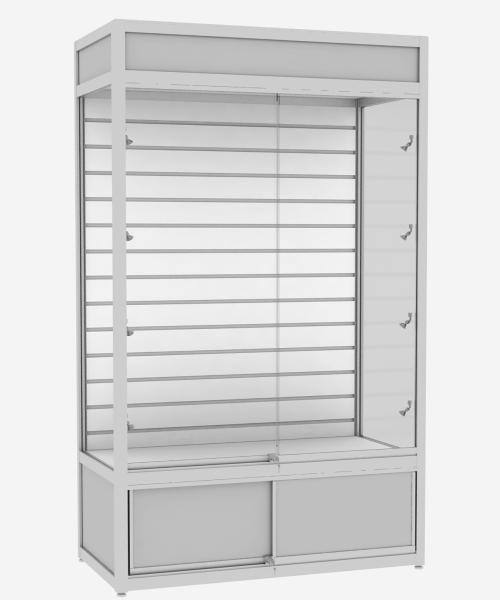
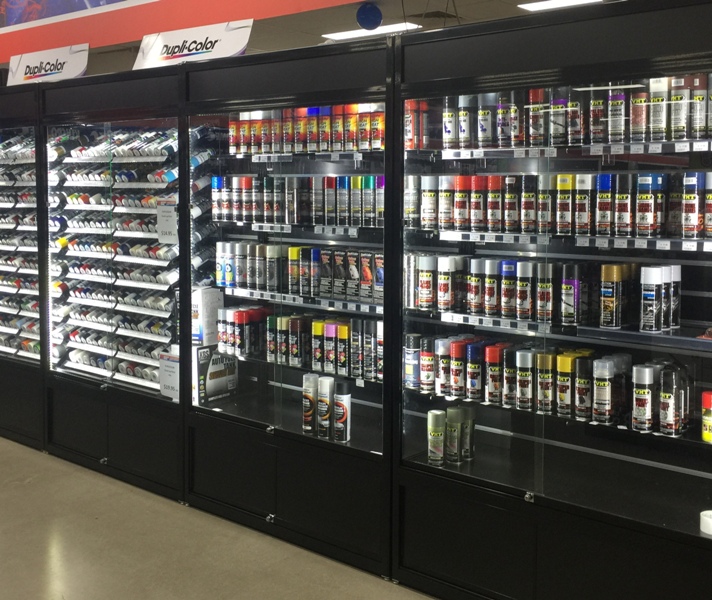
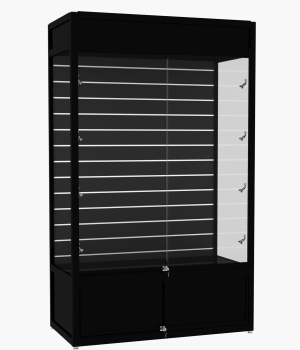
Planning for Accessories and Maintenance
Your accessory selection determines how versatile your setup becomes. Matching books, baskets, and shelves to the panel type ensures a consistent fit. You should also consider maintenance, as regular cleaning and inspection help the panels stay in good condition.
Make an Informed Installation Decision
Careful preparation ensures your slatwall installation stays safe, functional, and suitable for different product types.
Ready to Build a Reliable Display System?
Explore how you can plan your setup further by reviewing your accessories, wall structure, and long-term goals before installing your slatwall panels. Display cabinets also can be added to improve organisation while neatly showcasing your products.